

Aluminium Windows Doors
Add a review FollowOverview
-
Sectors Doctor
-
Posted Jobs 0
-
Viewed 5
Company Description
French Doors And Windows Techniques To Simplify Your Everyday Lifethe Only French Doors And Windows Trick That Every Person Should Be Able To
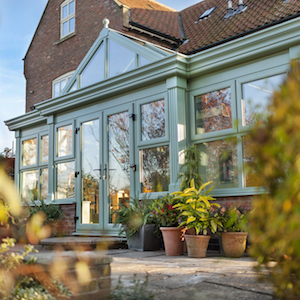
French Doors and Windows: An Elegant Addition to Any Home
French windows and doors have long been celebrated for their visual beauty and flexible functionality. With extensive glass panels that let in natural light and supply unobstructed views, these architectural functions serve a dual purpose: boosting the beauty of a home while promoting a welcoming environment. This article explores the numerous characteristics of French doors and windows, their historical significance, benefits and disadvantages, style choices, installation factors to consider, and upkeep tips.
The Charm of French Doors and Windows
Historical Background
Coming from the 17th century during the Renaissance period, French doors were developed to highlight light and natural vistas. Traditionally utilized as access to verandas, gardens, and outdoor patios, they have given that evolved to become popular architectural components throughout the globe. French windows share a similar history, frequently serving the exact same function of linking indoor areas with the exterior.
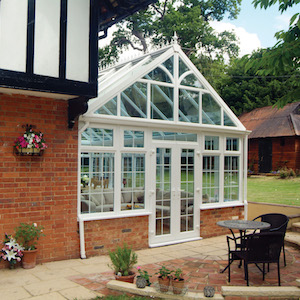
Characteristics of French Doors
French doors are understood for their special style features:
- Double Panels: Typically made up of two hinged doors that swing open, providing an unobstructed opening.
- Glass Construction: Glass panes control the surface areas, frequently framed by wood or metal, supplying ample light and warmth.
- Versatile Operation: They can either swing open up to the interior or exterior, depending on the design.
- Range of Styles: French doors come in several designs, consisting of conventional, modern, and French home styles.
Characteristics of French Windows
Likewise, French windows exhibit distinct traits:
- Vertical Orientation: Like doors, they typically feature two or more panes but are created to open vertically, enhancing space airflow.
- Grille Patterns: The grids often complement other architectural components, creating a cohesive search for homes.
- Integration with Outdoor Spaces: They often lead onto balconies, patios, or gardens, promoting a seamless integration of indoor and outside living.
Advantages of French Doors and Windows
Integrating French doors and windows into a residential or commercial property comes with numerous benefits:
- Natural Light Exposure: Their extensive glass surfaces enable more daytime, developing a pleasant and resilient energy in the home.
- Enhanced Aesthetics: French doors and windows contribute to a sophisticated appearance, raising the overall visual appeal of space.
- Outdoor Connectivity: They seamlessly link the interior of a home with its outside area, promoting a more open and airy feel.
- Increased Property Value: Elegant architectural features can boost the market worth of a home.
- Adaptability: They can be used in different settings, including dining areas, living spaces, and even as entry indicate gardens.
Downsides of French Doors and Windows
While there are many advantages, it is essential to consider the potential drawbacks:
- Space Requirements: Swinging doors require adequate space, which may not be ideal for smaller sized homes.
- Upkeep: The comprehensive glass surface areas necessitate regular cleaning and maintenance to avoid grime and improve presence.
- Energy Efficiency: Depending on the material and building and construction quality, they may not constantly supply optimal insulation, possibly leading to increased energy costs.
- Security Concerns: Glass windows and doors can be more susceptible to break-ins if not strengthened with appropriate security functions.
Design Options for French Doors and Windows
When picking French windows and doors, property owners have a variety of style alternatives offered:
- Material Choices: Common materials consist of wood, fiberglass, aluminum, and vinyl, each offering various visual and functional attributes.
- Glass Types: Options range from clear to frosted, tempered, or double-glazed, differing based upon privacy needs and energy effectiveness requirements.
- Grille Patterns: Grilles can include an ornamental touch; house owners can pick from numerous designs, such as colonial, prairie, or modern.
- Colors and Finishes: Custom paint colors and finishes can complement existing decor, whether a bold declaration or a subtle hue.
| Type | Benefits | Downsides |
|---|---|---|
| Wood | Visually pleasing, flexible | Needs maintenance, may warp |
| Fiberglass | Exceptional insulation, low upkeep | More expensive than wood |
| Aluminum | Durable, weather-resistant | Poor insulation, can feel cold |
| Vinyl | Low upkeep, energy-efficient | Minimal color options |
Installation Considerations
When selecting French windows and doors, it is important to think about the following installation aspects:
- Professional Help: Hiring competent experts can make sure correct installation and reduce concerns associated with leaks and drafts.
- Structural Changes: Installing French doors may require structural adjustments, particularly for walls that do not at first accommodate such openings.
- Building regulations: Homeowners must examine local structure guidelines and obtain required authorizations before making renovations.
- Product Selection: Choosing the ideal products will substantially impact the durability and efficiency of the setup.
Upkeep Tips for French Doors and Windows
To optimize the lifespan and performance of French doors and windows, property owners must embrace correct upkeep practices:
- Regular Cleaning: Wipe down glass surface areas frequently to eliminate dirt, finger prints, and streaks utilizing a glass cleaner or vinegar option.
- Inspect Seals and Caulking: Regularly inspect for used seals and caulking around frames to preserve energy efficiency.
- Oil Hinges: Apply lube to hinges and manages to make sure smooth operation of swinging doors and opening windows.
- Avoid Harsh Chemicals: Steer clear of abrasive products that may scratch or harm the glass or frames.
Frequently Asked Questions (FAQs)
1. What is the distinction between French doors and patio doors?
French doors typically feature glass panels with a more standard design, using an advanced appearance, while outdoor patio doors typically refer to sliding glass doors that operate horizontally.
2. Are French doors energy-efficient?
French doors can be energy-efficient if they are made of premium materials with correct insulation. Double-glazed options offer better temperature level policy.
3. Can I set up French doors myself?
Although DIY installation is possible, it is frequently recommended to employ specialists due to the intricacies involved, consisting of structural adjustments and guaranteeing proper sealing.
4. Do French doors improve home value?
Yes, French windows and doors can improve the looks and functionality of a home, potentially increasing its market price.
5. What are the best materials for French doors?
The best products depend on specific choices and objectives. Wood is aesthetically pleasing, fiberglass provides excellent insulation, aluminum is long lasting and low-maintenance, while vinyl is energy-efficient.
Conclusion: A Timeless Choice for Homes
French windows and doors stay a classic choice for homeowners seeking elegance, functionality, and seamless combination between indoor and outside areas. By considering style options, installation best practices, and proper upkeep, house owners can enjoy the charm and benefits of these architectural functions for many years to come. Welcoming such enduring styles not just improves the home’s visual appeal but likewise cultivates a welcoming environment that embraces nature while offering security and convenience.