

Composite Energy-Efficient Door Repair
Add a review FollowOverview
-
Sectors Drug Development
-
Posted Jobs 0
-
Viewed 4
Company Description
Door Seal Replacement Is The Next Hot Thing In Door Seal Replacement
The Importance and Process of Door Seal Replacement: A Comprehensive Guide
Doors are more than simply entrances; they are important components of a building’s structure, supplying security, insulation, and comfort. One frequently neglected however vital component of a door’s performance is its seal. Door seals, likewise called weatherstripping, play an essential role in keeping the integrity of a home or industrial space. Gradually, these seals can wear, resulting in drafts, energy inefficiency, and other problems. This post will check out the significance of door seal replacement, the indications that show it’s time for a change, and the step-by-step process of changing them.

The Importance of Door Seals
Door seals are created to create an airtight barrier between the door and its frame. This barrier serves numerous essential functions:
- Energy Efficiency: Properly sealed doors avoid cold air from getting in and warm air from leaving, reducing the work on heating and cooling systems. This can cause considerable energy savings and lower utility costs.
- Convenience: Drafts can make a space uncomfortable, specifically throughout severe weather. Seals help preserve a consistent temperature, improving the general comfort of a room.
- Security: Seals can hinder burglars by making it more hard to pry open a door.
- Sound Reduction: Seals can help obstruct out external sound, developing a quieter and more peaceful environment.
- Avoidance of Pests: Seals can avoid bugs and small animals from going into a building, which is particularly crucial in areas with high bug activity.
Indications That It’s Time to Replace Your Door Seals
Recognizing when your door seals require replacement is essential for preserving the effectiveness of your doors. Here are some indications to look out for:
- Drafts: If you can feel cold air coming in or warm air leaving around the door, it’s a clear indicator that the seals are not functioning properly.
- Noticeable Wear: Inspect the seals for signs of wear and tear, such as fractures, tears, or spaces. If the product is breakable or has actually lost its versatility, it’s time to replace it.
- Energy Bills: A sudden increase in your energy bills, especially during winter season or summer, can be a sign that your seals are not supplying appropriate insulation.
- Trouble in Closing the Door: If the door is challenging to close or lock, it might be due to worn-out seals that are no longer providing the essential compression.
- Water Leaks: If water is leaking through the door during rain, it’s a sign that the seals are not effectively sealing the spaces.
Step-by-Step Guide to Replacing Door Seals
Changing door seals is a fairly simple procedure that can be made with basic tools. Here’s a step-by-step guide to help you through the process:
-
Gather Materials and Tools:
- New door seals (weatherstripping)
- Utility knife
- Screwdriver
- Determining tape
- Adhesive (if needed)
- Cleaning cloth
-
Remove the Old Seals:
- Start by getting rid of the old seals. If they are held in place with screws, utilize a screwdriver to remove them. If they are adhesive, use an utility knife to thoroughly cut them far from the door frame.
- Clean the location where the brand-new seals will be installed to ensure a strong bond.
-
Step and Cut the New Seals:
- Measure the length of the door frame where the seals will be installed. Cut the brand-new seals to the appropriate length utilizing an energy knife. It’s essential to guarantee that the seals fit snugly with no spaces.
-
Install the New Seals:
- Apply adhesive to the back of the brand-new seals if they are not self-adhesive. Follow the manufacturer’s directions for the very best results.
- Place the new seals in the proper positions on the door frame. Ensure that they are aligned properly and push them strongly into place.
- If the seals are held in location with screws, use a screwdriver to secure them.
-
Check the Door:
- Close the door and check for any gaps or drafts. If the seals are not offering a tight seal, you might require to adjust their position or change them with a different kind of seal.
- Test the door to guarantee it opens and closes efficiently. If there is any resistance, you might need to cut the seals a little.
-
Final Touches:
- Once you are pleased with the setup, clean up any excess adhesive or particles.
- Regularly check the seals to ensure they remain in excellent condition.
Frequently Asked Questions About Door Seal Replacement
Q: How often should I replace my door seals?A: The life expectancy of door seals can vary depending on the material and ecological conditions. Generally, seals need to be replaced every 5-10 years. However, if you discover any indications of wear or drafts, it’s best to change them sooner.
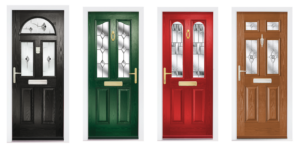
Q: Can I replace door seals myself, or should I hire a professional?A: Replacing door seals is a DIY-friendly job that can be finished with fundamental tools. Nevertheless, if you are unsure about the procedure or if the seals are part of an intricate door system, it may be best to consult a professional.
Q: What are the different types of door seals readily available?A: There are several types of door seals, consisting of:
- V-Seals: These are V-shaped strips that supply a tight seal and are simple to set up.
- T-Seals: These have a T-shaped profile and are ideal for doors that require a strong seal.
- Felt Seals: These are soft and versatile, making them suitable for doors with irregular gaps.
- Foam Seals: These are made of foam and are reliable at obstructing drafts and sound.
Q: How much does it cost to replace door seals?A: The expense of changing door seals can vary depending upon the kind of seal and the size of the door. On average, materials can cost between ₤ 10 and ₤ 50 per door. If you work with a professional, the expense can range from ₤ 50 to ₤ 150 per door, consisting of labor.
Q: Can door seals improve the energy effectiveness of my home?A: Yes, composite Door hinge Repair seals can substantially improve the energy performance of your home by preventing air leakages. This can lead to lower heating & cooling expenses and a more comfy living environment.
Keeping the integrity of your doors through routine seal replacement is necessary for making sure the comfort, security, and energy effectiveness of your home or commercial space. By recognizing the signs of damaged seals and following the steps described in this guide, you can easily replace your door seals and delight in the advantages of a well-sealed door. Whether you select to tackle the task yourself or employ a professional, the investment in new door seals is a beneficial one that can settle in the long run.