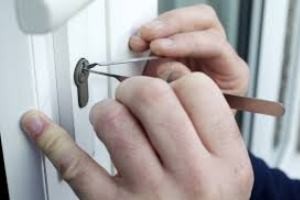
Emergency Window Repair
Add a review FollowOverview
-
Sectors Psychological Therapies
-
Posted Jobs 0
-
Viewed 5
Company Description
What’s The Current Job Market For Broken Window Repair Professionals?
A Comprehensive Guide to Broken Window Repair
Windows function as vital components of any building, offering light, ventilation, and security. Nevertheless, unpredicted incidents may cause broken windows, necessitating timely repairs. This extensive guide will explore different aspects of broken window repair, talking about approaches, costs, materials, and often asked concerns.

Understanding the Causes of Broken Windows
Before delving into repair processes, it’s vital to understand what typically causes window damage. Acknowledging these causes can also assist residential or commercial property owners in enhancing preventive steps. Here is a list of some typical causes of broken windows:
- Accidental Impact: Glass can break due to unintentional crashes, such as a ball being tossed or objects being dropped.
- Extreme Weather: Extreme climate condition, including hail, high winds, and heavy snowfall, can harm windows.
- Aging Materials: Over time, windows may establish weak points due to rust, rot, or other age-related deterioration.
- Burglary: Unfortunately, windows might be broken throughout attempted break-ins.
- Thermal Stress: Rapid temperature changes can trigger the glass to expand or contract, leading to fractures.
Examining the Damage
Before undertaking repairs, it’s crucial to assess the level of the damage. Windows can suffer numerous kinds of damage, including:
- Cracks: Minor surface-level fractures often do not need complete replacement however require timely attention to avoid further damage.
- Shattered Glass: This situation generally needs complete panel replacement.
- Frame Damage: If the window frame is broken or distorted, this may need resolving separately from the glass.
Repair Methods
1. Patch Repair
For small cracks, a spot repair might be sufficient. This procedure includes:
- Cleaning the damaged area.
- Using clear epoxy or a glass adhesive.
- Permitting it to treat according to the maker’s guidelines.
Please note that spots are short-lived and may not bring back the window’s initial integrity.
2. Caulking
In many cases, windows may appear broken due to seal failures rather than physical damage. This typically leads to foggy or cloudy appearances. To restore clearness, follow these steps:
- Remove any old caulk and particles around the window edges.
- Clean surface areas with alcohol.
- Use a fresh bead of silicone-caulk around the window border.
3. Glass Replacement
When the glass is shattered, replacement is necessary. Here’s a general outline of the procedure:
- Remove the damaged window by loosening or prying out the old frame.
- Measure the dimensions of the glass to cut a new piece accurately.
- Protect new glass into the window frame with glazing compound or putty.
- Complete with a cautious application of caulking.
4. Frame Replacement
If the frame is harmed, more considerable repairs or replacements may be required:
- Remove the old frame and thoroughly check surrounding structures.
- Set up a brand-new frame, repairing it firmly.
- Re-install the glass panel and use the needed seals.
Expense Considerations
The expense of broken window repair can differ commonly based on numerous factors, consisting of:
- Type of Damage: Minor repairs will normally cost less than full replacements.
- Material: The kind of glass and frame material considerably influence the rate.
- Labor Costs: Hiring specialists sustains extra costs compared to DIY tasks.
Average Repair Costs
| Kind of Repair | Approximated Cost Range |
|---|---|
| Patch Repairs | ₤ 50 – ₤ 100 |
| Caulking | ₤ 30 – ₤ 75 |
| Glass Replacement | ₤ 200 – ₤ 400 |
| Frame Replacement | ₤ 300 – ₤ 600 |
Note: These price quotes can differ based on place and specific job requirements.
Do it yourself vs. Hiring Professionals
Many homeowners question whether to perform broken window repairs themselves or to employ experts. Below is a list of elements to consider for each alternative.
Do it yourself Repair
Pros:
- Cost savings on labor.
- Sense of accomplishment.
- Versatility in timing.
Cons:
- Requires ability and tools.
- Danger of improper installation.
- Time-consuming.
Working with Professionals
Pros:
- Guaranteed quality of work.
- Time-saving and hassle-free.
- Access to know-how and materials.
Cons:
- Higher expenses.
- Setting up constraints.
Often Asked Questions
1. How can I guarantee my windows are safe after repair?
Ensure that you correctly secure brand-new installations, inspect seals, and frequently keep frames and glasses to avoid future issues.
2. How long does a broken window repair typically take?
The timeline depends on the extent of the damage. Spot repairs might take a couple of hours, while complete replacements may require a day or more.
3. Is it worth repairing old windows?
If the frames are in great condition, repairing might be more affordable than replacing. However, older windows may validate a full replacement for increased performance.
4. What tools do I need for a DIY window repair?
Standard toolkit items such as an energy knife, measuring tape, hammer, and safety goggles will suffice for small repairs. For glass replacement, extra tools like glazier points and a glass cutter may be required.
Broken windows can be a problem, however with prompt and suitable repairs, they need not become a substantial concern. Whether going with DIY techniques or employing experts, understanding the repair process and associated expenses will enable property owners to make informed choices. Recognizing prospective causes of window damage can help avoid future problems, guaranteeing that windows continue to serve their vital functions successfully for years to come.