

Fascia Repair
Add a review FollowOverview
-
Sectors Support Services
-
Posted Jobs 0
-
Viewed 7
Company Description
The 10 Most Scariest Things About Fascia And Soffit
Understanding Fascia and Soffit: Key Components of Roofing and Exterior Design
When it concerns home construction and design, every information adds to the overall durability, performance, and visual appeals of the structure. Amongst these details, fascia and soffit play essential functions in both functionality and appearance. This post supplies an extensive understanding of fascia and soffit, their functions, materials, maintenance, and installation practices.
What are Fascia and Soffit?
Fascia and soffit are important elements of a structure’s roof system, affecting its efficiency and look.
-
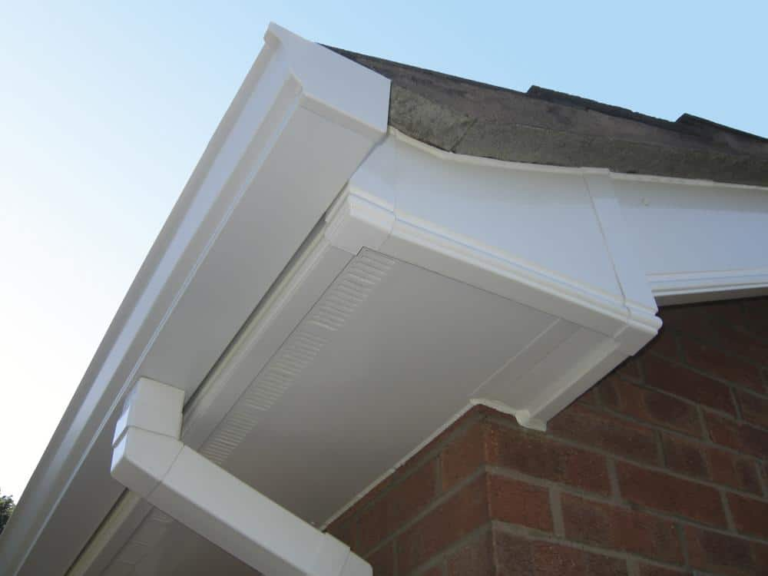
Fascia Installation is the horizontal board that runs along the edge of the roof. It is usually attached to completions of the rafters and functions as a leader for rainwater from the roof, assisting to avoid wetness damage. Additionally, fascia boards supply a completed appearance to the roof’s edge and typically act as an installing place for rain gutters.
-
Soffit is the underside of the eaves, bridging the space between the siding and the roofline. It shows up from the ground and can enhance the looks of the structure’s outside. More significantly, soffit plays an important role in ventilation for the attic, assisting to manage temperature level and moisture, thus avoiding mold and rot.
Why Are Fascia and Soffit Important?
Fascia and soffit contribute to the overall stability and appearance of a home. Here are some bottom lines highlighting their value:
- Protection from Water Damage: Fascia directs water into the gutters, preventing it from permeating into the walls and structure.
- Ventilation: Soffit permits air flow into the attic area, helping in temperature level regulation.
- Visual Appeal: Both fascia and soffit enhance the visual profile of a home, offering a refined and finished look.
- Bug Prevention: Properly installed soffits prevent pests such as birds, insects, and rodents from nesting in the eaves.
Common Materials for Fascia and Soffit
Selecting the right products for fascia and soffit is necessary for durability and maintenance. Here are the most common products utilized:
| Material | Description | Pros | Cons |
|---|---|---|---|
| Wood | Conventional product for fascia and soffit, offered in numerous surfaces. | High aesthetic appeal, personalized. | Prone to rot without proper treatment. |
| Vinyl | A low-maintenance alternative, typically readily available in numerous colors. | Resistant to rot, no painting required. | Can become brittle gradually. |
| Aluminum | Lightweight and rust-resistant, frequently used in modern-day designs. | Long lasting and long-lasting. | Dents quickly, might need special tools for installation. |
| Fiber Cement | A composite product that simulates wood however has greater toughness. | Fireproof and highly long lasting. | Much heavier and more costly. |
Installation of Fascia and Soffit
Appropriate installation is vital to making sure the durability and efficiency of fascia and soffit. Here’s a concise guide for the installation process:
Fascia Installation
- Measure and Cut: Measure the length of the fascia board needed and cut it to size utilizing suitable tools.
- Support: Ensure the board is correctly supported versus completions of the rafters.
- Secure: Use corrosion-resistant screws or nails to secure the fascia board to the rafter ends.
- End up: Depending on the product, use paint, stain, or sealant for included protection if needed.
Soffit Installation
- Preparation: Start with the framing. Cutting back the overhang of the rafters for soffit installation.
- Ventilation: If utilizing ventilated soffit, install it initially, making sure holes align with the attic area.
- Secure Panels: Attach the soffit panels, generally beginning with one end and working towards the other, guaranteeing they are secured sufficiently.
- End up Edges: Finally, cap the edges to prevent water intrusion and offer a refined appearance.
Maintenance of Fascia and Soffit
Routine maintenance guarantees the longevity of fascia and soffit. Here are some tips for preserving these vital elements:
- Inspect Regularly: Routine evaluations for signs of rot, mold, or bug problems are important.
- Cleaning: Gently clean fascia and soffit to remove debris, dirt, and mildew.
- Paint/Sealant: Reapply paint or sealant as required, specifically for wood materials that are vulnerable to damage.
- Look for Leaks: Ensure gutters are operating effectively to prevent water from pooling against the fascia.
Frequently asked questions
Q1: How often should I examine my fascia and soffit?
It is recommended to check them at least two times a year, specifically after serious climate condition.
Q2: Can I install fascia and soffit myself?
Yes, but it needs fundamental woodworking skills and the right tools. If you’re unsure, it’s best to employ a professional.
Q3: What signs indicate that my fascia or soffit requirements replacing?
Keep an eye out for sagging, staining, peeling paint, indications of bugs, or water damage, which all recommend it may be time for replacement.
Q4: Are there energy effectiveness advantages associated with soffit ventilation?
Yes, proper ventilation reduces heat build-up in the attic, enhancing energy efficiency by reducing the load on cooling systems throughout hot months.
Q5: What is the perfect product for fascia and soffit?
The best material depends on your budget plan, climate considerations, and aesthetic preferences. Normally, vinyl or aluminum are chosen for low maintenance, while wood offers high aesthetic appeal however needs more maintenance.
Comprehending fascia and soffit is important for property owners looking for to enhance the performance and aesthetic appeal of their roofing systems. These parts play a considerable function in securing your home from water damage, enabling for sufficient ventilation, and avoiding pest infestations. By picking the right materials, making sure appropriate installation, and undertaking routine maintenance, homeowners can take full advantage of the longevity and efficiency of their fascia and soffit, contributing to the overall health and appeal of their homes.