

French Door Refurbishing
Add a review FollowOverview
-
Sectors Social Work
-
Posted Jobs 0
-
Viewed 6
Company Description
The 10 Most Scariest Things About French Door Replacement
French Door Replacement: A Comprehensive Guide
French doors are a popular choice amongst property owners for their visual appeal and ability to improve natural light in a space. However, like any home function, they might need replacement in time. Aspects such as wear and tear, shifting environment demands, and changes in individual style can lead to the requirement for brand-new French doors. This short article uses an informative introduction of French door replacement, detailing when to change them, the types offered, actions in the replacement procedure, prospective costs, and regularly asked questions.

When to Consider French Door Replacement
Changing French doors might end up being essential for a number of factors, including:
- Damage: Cracks, warping, and damaged hardware can jeopardize performance and safety.
- Energy Efficiency: Outdated doors might not provide sufficient insulation, leading to increased energy costs.
- Visual Changes: Home restorations or modifications in personal taste can trigger the desire for new doors.
- Performance Issues: Difficulty in opening or closing, or a lack of smooth operation might signal it’s time for replacement.
Signs Your French Doors Need Replacement:
- Water damage or rot in wood frames
- Draughts even when doors are closed
- Trouble in locking or sticking doors
- Noticeable indications of wear such as peeling paint or rust
- Condensation between double-glazed panes
Kinds Of French Doors
When thinking about replacement, house owners have a number of options offered:
-
Material Types:
- Wood: Classic, traditional look with outstanding insulation but requires regular maintenance.
- Fiberglass: Durable and energy-efficient, imitating the look of wood without the upkeep.
- Vinyl: Low maintenance with energy-efficient properties, typically offered in various colors.
-
Styles:
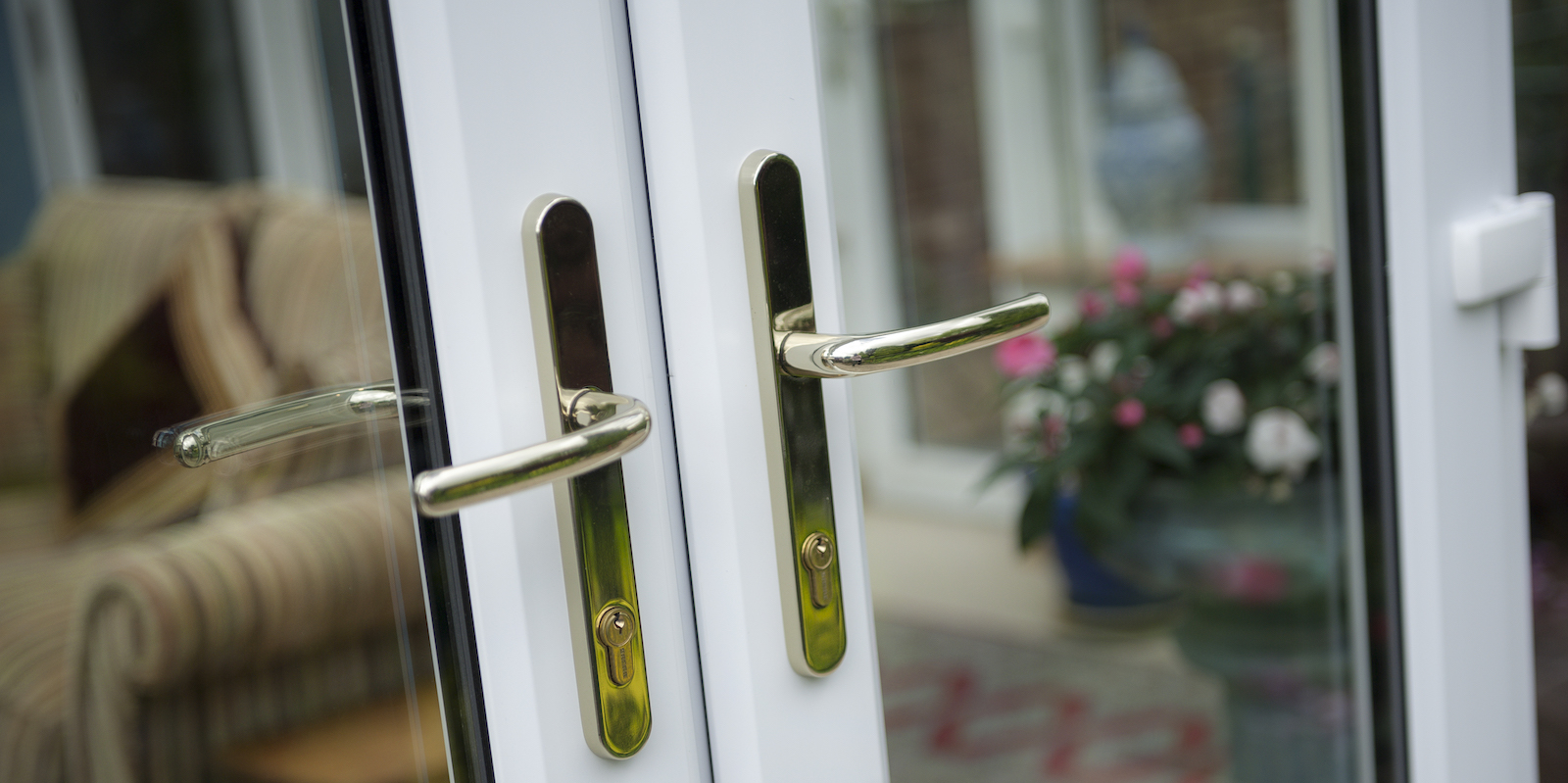
- Swinging French Doors: Open inward or outward, perfect for wide openings.
- Sliding French Doors: Convenient for smaller areas, smoothly move open on a track.
- Multi-Panel French Doors: Feature several panels for an extensive view and modern-day appeal.
-
Glass Types:
- Single-pane: Basic and affordable however less energy-efficient.
- Double-pane: Improved insulation; recommended for energy conservation.
- Tempered Glass: Safety glass that withstands damage.
Steps for Replacing French Doors
Changing French doors needs thorough preparation and execution. Below is a step-by-step guide:
1. Measuring the Door Frame
Accurate measurements of the opening are crucial to guarantee the new doors fit correctly. Measure the height and width of the frame and the density of the existing door.
2. Picking the Replacement Doors
Pick the kind of French door that matches your home’s style and your spending plan. Consider materials, designs, and hardware choices while making the selection.
3. Getting Rid Of the Old Doors
Thoroughly get rid of the current doors and disassemble the hardware. Be careful not to damage the frame throughout this procedure.
4. Preparing the Frame
Examine the door frame for damage and make needed repairs. Guarantee the frame is square and level, as this will impact the installation of the new doors.
5. Setting Up the New Doors
- Place the New Doors: Set the new French doors in the frame, ensuring they fit comfortably.
- Level and Secure: Use shims to level the doors. Secure the doors with screws, making sure that hinges are correctly aligned.
- Set up Hardware: Attach handles, locks, and other hardware.
6. Finishing Touches
Seal around the edges with caulk to prevent drafts and improve energy efficiency. If the doors are wooden, think about finishing or painting them.
7. Evaluating
Open and close the doors several times to guarantee smooth operation and appropriate positioning.
Cost of French Door Replacement
The expense of replacing French doors varies based on products, design, and labor. Below is a table summing up the approximated costs associated with various types of French doors:
| Type of Door | Average Cost (Material Only) | Installation Cost Range | Overall Estimated Cost |
|---|---|---|---|
| Wood | ₤ 400 – ₤ 2,000 | ₤ 200 – ₤ 500 | ₤ 600 – ₤ 2,500 |
| Fiberglass | ₤ 600 – ₤ 2,500 | ₤ 200 – ₤ 500 | ₤ 800 – ₤ 3,000 |
| Vinyl | ₤ 300 – ₤ 1,500 | ₤ 200 – ₤ 500 | ₤ 500 – ₤ 2,000 |
Note: Costs may vary based on area, brand name, and specifics of the installation project.
Frequently Asked Questions About French Door Replacement
Q: How long does it take to change French doors?A: The replacement
process normally takes a few hours to a day, depending upon the intricacy of the job and if extra repairs are required.
Q: Are French doors energy efficient?A: Modern French doors,
especially those with double-pane glass and correct sealing, can be extremely energy effective. Q: Can I set up French doors myself?A: While DIY installation is possible for experienced house owners, hiring a professional is advised to make sure a proper fit and surface, specifically if modifications to the frame are required. Q: What is the typical lifespan of French doors?A: With correct maintenance, French doors can last anywhere from 15 to 30
years, depending on the material and environmental conditions. French door replacement boosts a home’s performance and appeal. By understanding when to replace them, what options are available, and how to go about the installation, homeowners can make educated decisions that add worth and charm to their home. With proper care, new French doors can provide years of service, convenience, and style.