

Glass Window Replacement
Add a review FollowOverview
-
Sectors Dental
-
Posted Jobs 0
-
Viewed 8
Company Description
5 Killer Quora Answers On Glass Door Repair
Comprehensive Guide to Glass Door Repair
Glass doors are an essential architectural aspect in many residential and commercial areas. Not only do they work as a practical entrance and exit point, however they also provide aesthetic appeal, allowing an abundance of natural light to flood indoor areas. However, like any other element of a structure, glass doors can experience wear and tear due to day-to-day usage, environmental factors, or unexpected damage. Understanding the nuances of glass door repair can conserve property owners time and cash while making sure safety and functionality. This short article explores the various aspects of glass door repair, recognizing typical concerns, repair methods, and upkeep pointers.
Typical Issues Faced by Glass Doors
Glass doors can deal with a range of problems that necessitate repair. The most common concerns include:
| Issue | Description |
|---|---|
| Cracks and Chips | Physical damage triggering loss of stability and safety. |
| Misalignment | Doors that do not close correctly due to incorrect installation. |
| Broken Hinges | Preventing smooth operation, causing more extensive damage. |
| Fogging/Condensation | Impairing visibility and aesthetic appeal. |
| Frame Damage | Causing functional concerns and potential safety risks. |
1. Cracks and Chips
Fractures and chips in glass doors can take place due to unexpected effects or extreme climate condition. While shallow chips might not instantly impact performance, they can worsen over time if left unaddressed. Fractures, on the other hand, posture security hazards and can result in total door failure.
Repair Techniques for Cracks and Chips
- Epoxy Resin: For smaller sized chips, a clear epoxy resin can be used to fill the defect, restoring the glass’s stability and openness.
- Replacement Pane: If the damage is comprehensive, replacing the whole glass pane may be needed. This generally involves getting rid of the old glass and setting up a brand name brand-new piece.
2. Misalignment
Doors that do not align effectively can lead to inefficiency and increased wear on door components. Misalignment can originate from incorrect installation, weather changes, or use on the hinges.
Adjustment Methods for Misaligned Doors
- Hinge Adjustment: Tightening or loosening screws on the hinges can help straighten the door. Ensure the door is level throughout changes.
- Shimming: If hinges are incorrectly placed, shims can be inserted to change the door’s position without a full replacement.
3. Broken Hinges
Hinges are important for the smooth operation of glass doors. When they break or end up being corroded, issues such as squeaking, problem in opening and closing, and total door failure can occur.
Actions to Fix Broken Hinges
- Assessment: Check the hinges for signs of wear and damage.
- Replacement: Remove the damaged hinge by loosening it from the door and frame. Set up a new hinge that matches the initial specs.
4. Fogging/Condensation
Misting or condensation in between double-glazed glass panels can arise from sealant failure, resulting in unattractive views and reduced insulation performance.
Solutions for Fogging
- Seal Replacement: The seals between double-glazed panes can be changed to restore functionality.
- Replacement Units: In some cases, entirely new double-glazed units might require to be purchased and installed to guarantee effective insulation.
5. Frame Damage
The frame supporting the glass can suffer from water damage, rot (especially in wooden frames), or deterioration due to use and tear. A damaged frame can lead to further glass concerns and possible security hazards.
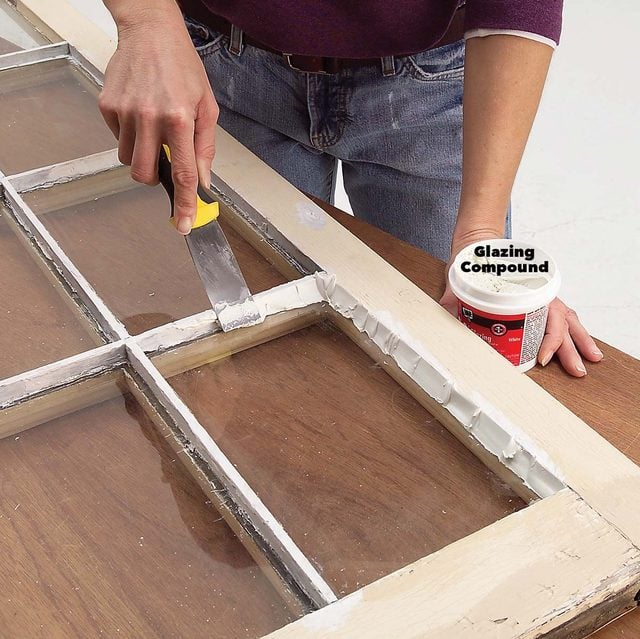
Repair Procedures for Damaged Frames
- Reinforcement: For small damages, adding braces or strengthening the frame with brand-new wood or metal might be reliable.
- Total Replacement: When the damage is serious, replacing the entire frame may be required.
Keeping Glass Doors
Preventative upkeep goes a long method in guaranteeing the longevity of glass doors. Routine checks and care can help mitigate numerous potential concerns.
Maintenance Tips
- Regular Cleaning: Use glass cleaners and soft fabrics to tidy glass surfaces, eliminating dirt and gunk.
- Lubricate Hinges: Apply lube to hinges and locks routinely to prevent rust and make sure smooth operation.
- Inspect for Damages: Routinely look for cracks, chips, or signs of wear, attending to issues quickly.
Frequently Asked Questions about Glass Door Repair
Q1: How typically should I maintain my glass doors?
A1: Regular upkeep should be carried out at least two times a year, with examinations before and after severe weather changes.
Q2: Can I repair a fracture in the glass myself?
A2: Minor cracks can be fixed with epoxy, however bigger cracks or damage may require professional help for safety.
Q3: What kind of glass is best for a door?
A3: Tempered glass is suggested for its strength and security, as it is less most likely to shatter.
Q4: How do I understand if a professional repair is needed?
A4: If problems persist after fundamental repairs or if the damage is comprehensive, it’s best to seek advice from a professional.
Q5: Are there any replacement costs to consider?
A5: Replacement costs can differ, however factors such as glass type, size, and installation intricacy can affect prices. Consult local vendors for accurate estimates.
Comprehending the complexities of glass door repair is important for preserving both the functionality and visual appeals of your residential or commercial property. Easy problems can escalate if neglected; therefore, resolving them without delay and seeking professional assistance when required is crucial. With cautious maintenance and attention to common problems, glass doors can remain a beautiful and functional feature for many years to come.