

Home Exercise Equipment
Add a review FollowOverview
-
Sectors Nurses
-
Posted Jobs 0
-
Viewed 6
Company Description
10 Things We All We Hate About Look For Exercise Bikes
The Comprehensive Guide to Choosing the Right Exercise Bike
Recently, stationary bicycle have actually risen in appeal, becoming an essential home workout devices for lots of fitness lovers and casual users alike. They provide a convenient method to participate in cardiovascular exercise, enhance endurance, and promote overall health without the need to venture outside. However, not all stationary bicycle are developed equivalent, and selecting the ideal one can feel overwhelming in the middle of the myriad of options. This guide aims to supply an in-depth look into the different kinds of stationary bicycle, their features, and the aspects to think about when buying.
Kinds Of Exercise Bikes
When searching for a stationary bicycle, it is important to comprehend the different types offered on the market. Each type has its distinct qualities and benefits:
| Type | Description | Suggested For |
|---|---|---|
| Upright Bikes | Imitates traditional cycling positions; compact and steady. | People trying to find a full-body workout and restricted space. |
| Recumbent Bikes | Functions a reclining seat for improved back assistance; easy to use. | Older grownups, those with back problems, or novice cyclists. |
| Spin Bikes | Designed for high-intensity training; frequently used in cycling classes. | Fitness lovers focused on interval training and endurance. |
| Dual-Action Bikes | Integrates upper and lower body exercises; usually designed for a full-body exercise experience. | Individuals aiming to enhance their cardiovascular fitness and strength. |
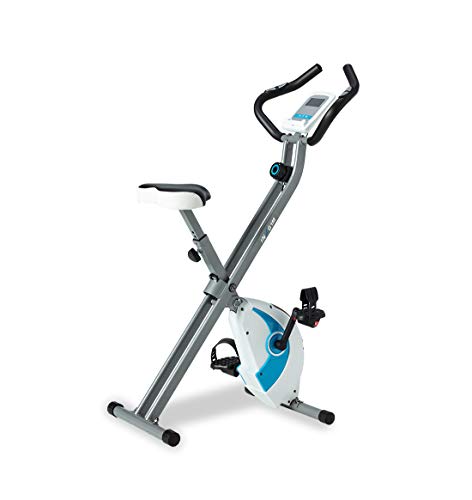
| Collapsible Bikes | Compact and easy to shop; a great alternative for little spaces. | Those with restricted exercise space or who need a portable alternative. |
Key Features to Consider
When examining stationary bicycle, prospective buyers should think about several necessary functions to guarantee they choose the best model for their requirements:
-
Resistance Levels
- Adjustable resistance enables users to increase or decrease workout strength, supplying a progressive obstacle. Look for bikes with magnetic resistance for smooth modifications.
-
Comfort
- Think about the seat’s size and cushioning. Adjustable handlebars and pedals are also essential to guarantee a comfy riding position.
-
Console Display
- Lots of bikes come with an integrated console that tracks speed, distance, time, calories burned, and heart rate. A clear, easy-to-read screen can boost the workout experience.
-
Weight Capacity
- Ensure the bike can support the user’s weight. Many bikes have actually a specified weight limitation, which is crucial for security and resilience.
-
Connection
- A number of contemporary stationary bicycle use Bluetooth connection and compatibility with fitness apps, enabling a more interactive workout experience.
-
Guarantee
- A great guarantee can supply peace of mind and secure against possible defects. Search for bikes with at least a 1 year service warranty on parts and frame.
Advantages of Using an Exercise Bike
Exercise bikes provide a wide range of health advantages, making them an exceptional addition to any fitness program. Some of the popular benefits consist of:
- Cardiovascular Fitness: Regular biking reinforces the heart, lungs, and circulatory system, improving total cardiovascular health.
- Weight Management: Utilizing an exercise bike can assist in burning calories, which is essential for weight maintenance or loss when combined with a well balanced diet.
- Low Impact: Unlike many other types of exercise, biking is gentle on the joints, making it an ideal alternative for users with joint pain or issues.
- Convenience: Home exercise bikes allow users to work out no matter weather or gym hours, making it much easier to stick to a routine.
- Customizable Workouts: With numerous resistance levels and exercise programs available, exercise bikes can deal with all fitness levels and objectives.
Regularly Asked Questions (FAQs)
1. How typically should I use my stationary bicycle?
For maximum advantages, it’s recommended to exercise for at least 150 minutes each week at a moderate strength or 75 minutes at a vigorous intensity. It’s vital to create a regular that matches your way of life and fitness goals.
2. What is the distinction between a recumbent and an upright bike?
Recumbent bikes permit users to kick back in a reclined position with a bigger seat and back support, making them appropriate for individuals with back concerns. Upright bikes imitate standard cycling postures and engage core muscles better.
3. Can I view television or read while utilizing an exercise bike?
Yes, numerous users find it convenient to multitask while exercising. Guarantee you have a setup that allows simple viewing without jeopardizing your posture.
4. What is the very best type of stationary bicycle for beginners?
Recumbent bikes are often suggested for novices due to their comfort and ease of usage. However, an upright bike can also be a great option if you’re trying to find a more standard cycling experience.
5. How can I remain inspired to utilize my stationary bicycle frequently?
Developing a workout schedule, setting specific goals, and tracking your development can help keep motivation. Signing up with online classes or difficulties can also create a sense of neighborhood and accountability.
Choosing the Best Stationary Bikes For Exercise (Https://Articlescad.Com/15-Terms-That-Everyone-Is-In-The-Static-Bike-For-Sale-Industry-Should-Know-270150.Html) exercise bike can substantially boost your fitness journey. Consider your personal fitness goals, space accessibility, and the particular functions of the bikes you are interested in. With various alternatives readily available, comprehending their differences can assist you make an informed choice that fits your lifestyle. Buying a stationary bicycle is not practically purchasing equipment; it’s a dedication to a much healthier, more active way of life.