

Professional Door Installers
Add a review FollowOverview
-
Sectors Drug Development
-
Posted Jobs 0
-
Viewed 12
Company Description
Five Killer Quora Answers To Local Door Experts
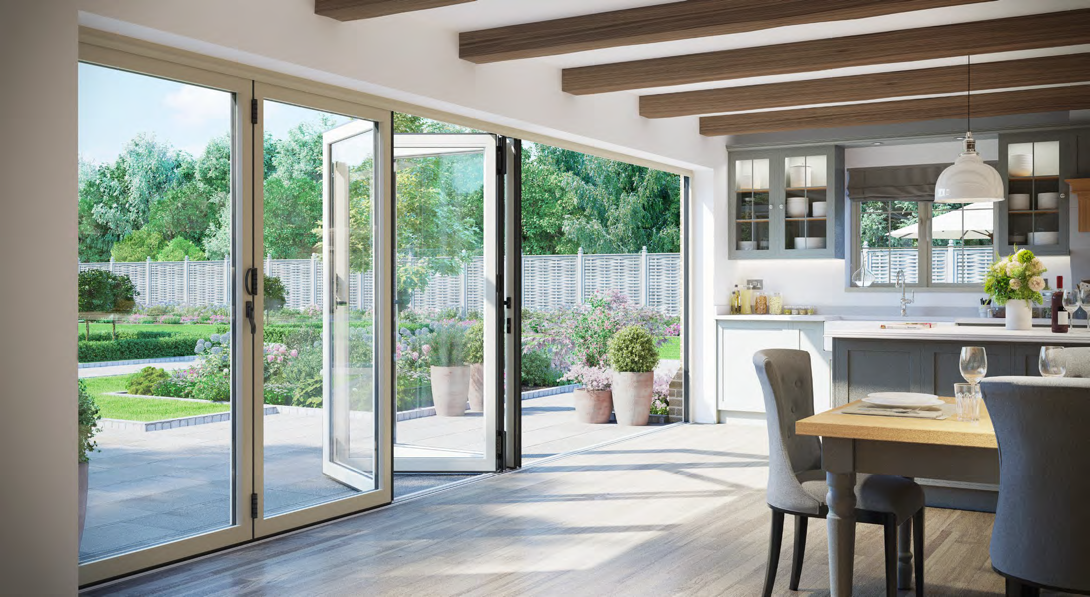
Quality Door Installation: A Comprehensive Guide
Intro
The installation of doors is a vital element of any building or renovating job. Beyond their primary functions of security, privacy, and visual appeal, well-installed doors add to energy performance and the general worth of a residential or commercial property. Nevertheless, attaining quality door installation needs understanding various aspects, including choosing the ideal door, the installation process, and the potential challenges that may arise. This post serves as a thorough guide to quality door installation.
Kinds of Doors and Their Uses
Before diving into the installation process, it is essential to comprehend the different types of doors offered, as each serves a various purpose.
| Type of Door | Description | Typical Uses |
|---|---|---|
| Hinged Doors | The most common type, swinging on hinges connected to a frame. | Entrances, interior spaces, closets. |
| Sliding Doors | Doors that slide parallel to the wall, perfect for saving area. | Patios, closets, modern-day styles. |
| French Doors | 2 hinged doors that open outward, developing a large entrance. | Patios, entryways to formal living locations. |
| Bi-Fold Doors | Made from a number of panels that fold accordion-style. | Closets, rooms needing flexible areas. |
| Pocket Doors | Doors that slide into a wall cavity, entirely out of sight. | Tight spaces where swing doors are impractical. |
| Security Doors | Enhanced doors typically made from steel or solid wood for included security. | Entrances to homes and businesses. |
Key Considerations When Choosing a Door
When selecting a door for installation, consider the following:
- Material: Wood, fiberglass, metal, and vinyl each have distinct advantages and downsides.
- Design: The door style must complement the general architecture of the home.
- Security Features: For exterior doors, look for alternatives with sophisticated locking mechanisms.
- Insulation: Energy-efficient doors can assist keep cooling and heating expenses down.
- Size: Ensure the door fits effectively within the frame and abides by basic measurements.
The Door Installation Process
The installation of a door includes numerous critical actions, guaranteeing a safe and aesthetically pleasing surface. Here is a detailed guide:
Step 1: Preparation
- Gather Tools and Materials: Ensure you have all essential tools, such as a level, hammer, drill, and screws.
- Measure the Door Frame: Accurate measurements of the frame height and width are crucial. If replacing an existing door, measure the existing door.
Action 2: Remove the Old Door (If Applicable)
- Detach Hinges: Unscrew the hinges from the door frame.
- Secure the Door: Carefully raise the door out of the frame.
- Eliminate the Frame: If changing the frame too, extract it by unscrewing or spying it off.
Step 3: Install the New Door Frame (If Applicable)
- Check the Frame Alignment: Use a level to make sure the frame sits squarely in the opening.
- Secure the Frame: Use shims to adjust and protect the frame, then attach it with screws.
Step 4: Hang the New Door
- Position the Door: Slide the door into the frame with the assistance of another individual, if needed.
- Attach Hinges: Fix the hinges onto the door and the frame utilizing appropriate screws.
- Guarantee Proper Operation: Open and close the door a number of times to inspect for smooth operation.
Step 5: Final Adjustments
- Install Hardware: Attach the doorknob, lockset, and any additional hardware.
- Seal Gaps: Use caulk or weather condition removing to seal gaps and enhance energy performance.
- Paint or Stain (Optional): Apply any desired finish to match the interior decoration.
Step 6: Clean Up
- Dispose of Old Materials: Ensure that any old doors or materials are dealt with effectively.
- Last Inspection: Perform a last check to ensure whatever is set up correctly and remains in working order.
Common Challenges in Door Installation
- Misaligned Frames: If the door frame is not square, it might result in sticking or improper operation.
- Inaccurate Measurements: Accurate measurements are vital; even minor inconsistencies can lead to issues.
- Local Door Experts (https://schoolmein.com/companies/affordable-Bifold-doors) Warping: Humidity can cause warping in wood doors, which can impact their operation over time.
- Hardware Compatibility: Choosing hardware not ideal for the door type can trigger installation issues.
Frequently Asked Questions about Quality Door Installation
Q1: How long does it require to install a door?
A: The installation time can vary, but usually, it takes in between 1 to 3 hours, depending on whether it is a brand-new installation or a replacement.
Q2: Do I need a professional for door installation?
A: While some homeowners may choose to install doors themselves, working with a professional makes sure that the job is finished effectively and correctly.
Q3: What kind of door is best for energy performance?
A: Fiberglass doors are renowned for their energy performance, though strong wood doors with excellent insulation can also be reliable.
Q4: Can I install a door myself?
A: Yes, numerous property owners have effectively installed doors themselves. However, it requires some DIY abilities and an understanding of fundamental carpentry.
Q5: What tools do I require for door installation?
A: Common tools consist of a level, drill, screws, hammer, measuring tape, shims, and a screwdriver.
Quality door installation is critical in guaranteeing that doors function properly while enhancing the property’s aesthetic and energy effectiveness. By comprehending the types of doors readily available, the installation procedure, and the typical challenges one might face, homeowners can make informed choices whether they choose to work with professionals or take part in DIY jobs. Ultimately, buying quality door installation pays dividends in comfort, security, and visual appeals.