Rollator For Hiking
Add a review FollowOverview
-
Sectors Support Services
-
Posted Jobs 0
-
Viewed 7
Company Description
15 Things You’ve Never Known About Rollator For Hiking
Rollator for Hiking: A Comprehensive Guide to Outdoor Mobility
As the appeal of outdoor activities continues to skyrocket, individuals with mobility difficulties are progressively looking for methods to engage with nature. One emerging solution is the rollator, a mobility aid that combines the functionality of a walker with included features such as wheels, a seat, and storage abilities. Traditionally employed for indoor use, an adjusted rollator can also facilitate hiking experiences, permitting users to enjoy the restorative benefits of nature without compromising comfort or safety. This short article explores rollators for hiking, covering their benefits, functions, and recommendations for users wanting to explore trails safely.
Understanding Rollators
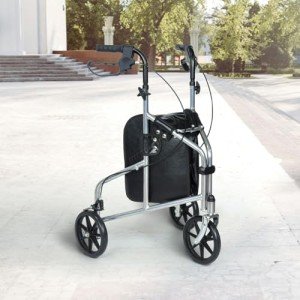
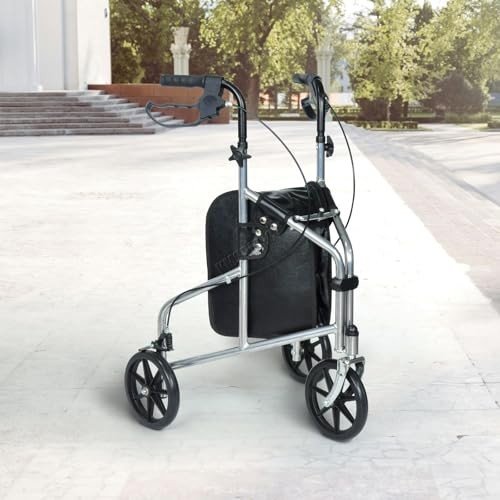
A rollator is a wheeled mobility gadget designed to offer support for individuals who might require support while walking. Normally equipped with 3 or 4 wheels, hand brakes, and a seat, rollators enable users to navigate their environment more quickly. They can be found in various designs and can be made from various products, making them appropriate for varied surfaces, including outdoor routes.
Benefits of Using a Rollator for Hiking
- Boosted Stability: Rollators provide extra assistance when passing through irregular terrains, helping to reduce the danger of falls.
- Comfort Seating: Many rollators come with a built-in seat, enabling users to take breaks during walkings.
- Improved Mobility: A rollator can assist users cover higher ranges than they would have the ability to on their own.
- Storage Options: Some rollators include storage baskets or pouches, enabling users to carry individual items, treats, or hydration materials easily.
- Versatility: A rollator’s Ultra Lightweight Folding Walker: Seat & Brakes frame and maneuverability make it suitable for numerous outdoor settings.
Key Features of a Hiking Rollator
When picking a rollator particularly designed for hiking, consider the following functions:
| Feature | Description |
|---|---|
| Wheel Size | Bigger wheels (8-10 inches) are normally more fit for outdoor terrains, providing better stability. |
| Weight Capacity | Make sure the rollator can accommodate the user’s weight for optimal safety and assistance. |
| Product | Lightweight however durable materials, such as aluminum or high-strength plastics, are best for hiking. |
| Adjustable Handles | Height-adjustable handles permit a personalized suitable for users of differing heights. |
| Folding Mechanism | A compact folding design uses easy transport and storage. |
| Brakes | Trusted hand brakes are important for controlling speed on downhill paths. |
| Seat | A comfy, cushioned seat for resting during hikes is an important addition. |
| Storage Options | Integrated bags or baskets enhance the benefit of carrying important products on hikes. |
Suggestions for Selecting a Hiking Rollator
When picking a rollator for hiking, consider the following factors:
- Terrain Compatibility: Consider the types of tracks you plan to trek on; more rugged courses might require specific rollators.
- User Needs: Assess individual requirements, such as weight capability and specific features that support individual mobility challenges.
- Portability: Look for a rollator that is lightweight and easy to transfer, particularly if you plan to travel to various hiking locations.
- Durability: Opt for a rollator made with robust products to endure outdoor conditions.
Popular Rollators for Hiking
Here are some popular options that cater to hiking requirements:
| Rollator Model | Secret Features | Rate Range |
|---|---|---|
| Medline Rollator | 8-inch wheels, adjustable deals with, and padded seat | ₤ 140 – ₤ 180 |
| Nova Zoom Rollator | 10-inch wheels, stylish design, and ample storage capacity | ₤ 200 – ₤ 300 |
| Drive Medical Nitro | Large wheels, lightweight frame, and easy folding system | ₤ 230 – ₤ 280 |
| Karman Healthcare SR-100 | 8-inch wheels, compact fold, and robust building and construction | ₤ 150 – ₤ 200 |
| Hugo Explore Rollator | 12-inch wheels, adjustable functions, and all-terrain ability | ₤ 200 – ₤ 250 |
Tips for Hiking with a Rollator
To ensure a safe and enjoyable hiking experience with a rollator:
- Plan Your Route: Choose trails proper for your ability level and mobility.
- Hike with a Companion: Always hike with a partner for added safety and assistance in case of any problems.
- Gown Appropriately: Wear comfy, weather-appropriate clothes and encouraging footwear.
- Stay Hydrated: Carry water and snacks for energy during the hike.
- Know Your Limits: Be conscious of individual strength and endurance, taking breaks as required.
Frequently asked questions
Q: Can any rollator be utilized for hiking?
A: Not all rollators are appropriate for hiking. It’s important to choose a rollator designed for outdoor use, including larger wheels and durable construction for stability on irregular surfaces.
Q: What is the best kind of terrain for hiking with a rollator?
A: While numerous rollators can handle numerous surfaces, flat and well-maintained trails are best for novices. Slowly progress to more rugged courses as comfort and abilities improve.
Q: How do I keep my rollator for hiking?
A: Regularly inspect your rollator for wear and tear, keep the wheels clean, and inspect brake performance. Shop it in a dry area to prevent rust or damage from moisture.
Q: Are rollators covered by insurance?
A: Coverage varies by insurance provider. It’s suggested to consult with the insurance company concerning the eligibility of rollators as durable medical devices.
Q: What accessories are beneficial for hiking with a rollator?
A: Consider adding devices such as a cup holder, a safety flag for presence, or a weather-resistant covering to enhance your hiking experience.
Rollators are changing the method people with mobility obstacles engage with the outdoors. With the best rollator and preparation, users can take pleasure in hiking experiences, welcome the appeal of nature, and get rid of mobility barriers. As outdoor pursuits become interwoven with healthier way of lives, a rollator developed for hiking presents an opportunity for expedition, connection, and wellness.