

Roof Drainage
Add a review FollowOverview
-
Sectors Support Services
-
Posted Jobs 0
-
Viewed 3
Company Description
You’ll Never Guess This Gutter Installation’s Tricks
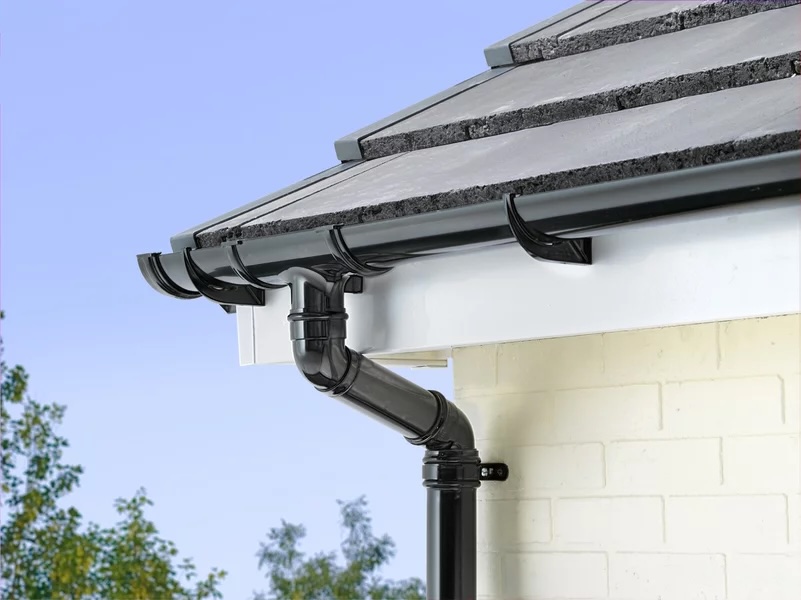
Gutter Installation: An Essential Guide for Homeowners
Gutters play a vital function in the overall effectiveness of a home’s drainage system. They transport rainwater away from roofings, ensuring it does not accumulate and trigger damage to the structure. Appropriate gutter installation not just avoids water damage however likewise safeguards landscaping and prevents basement flooding. This short article acts as an informative guide to gutter installation, covering important techniques, products, and often asked concerns.
Significance of Gutters
Before delving into installation details, it’s essential to comprehend why gutters are important:
-
Water Damage Prevention: Gutters direct water away from your home, avoiding prospective damage to the siding, foundation, and basement.
-
Soil Erosion Control: By handling rains overflow, gutters assist prevent soil disintegration and yard deterioration.
-
Insect Control: Standing water near your structure can bring in pests. Correct drainage through gutters reduces this danger.
-
Visual Appeal: Adequately set up gutters can enhance the general look of your home and keep its curb appeal.
Types of Gutters
When considering gutter installation, selecting the right kind of gutters is critical. Here are the most common types:
| Gutter Type | Product | Advantages | Downsides |
|---|---|---|---|
| K-Style | Vinyl, Aluminum | Flexible and contemporary style | Might be more expensive than others |
| Half-Round | Copper, Aluminum | Classic appearance, easy to clean | More expensive |
| Box Gutter | Metal | Great for flat roofs; holds more water | Can be more complicated to set up |
| Seamless | Aluminum | Minimizes leaks, custom-made fit | Requires professional installation |
Choice of Gutter Material
-
Vinyl: Lightweight and easy to install, it is an economical choice, but might warp in extreme temperatures.
-
Aluminum: Durable and rust-resistant, aluminum gutters are offered in a range of colors and are typically used in seamless installations.
-
Copper: A visual choice that ages perfectly, however high maintenance and cost may discourage some homeowners.
-
Steel: Strong and long lasting, though susceptible to rust without proper treatment.
Aspects Influencing Gutter Installation
-
Environment: In locations with heavy rainfall or snow, buying high-capacity gutters is a good idea.
-
Roof Type and Pitch: The slope of your roof can impact how quick water will flow into the gutters.
-
Home’s Architecture: The style may dictate the gutter type that will best enhance your home.
Steps for Gutter Installation
When setting up gutters, follow these important actions for an efficient and successful installation:
1. Collect Necessary Tools and Materials
Necessary materials and tools required for gutter installation include:
- Gutters (length according to your home)
- Downspouts and elbows
- Gutter wall mounts
- Screws or nails
- Determining tape
- Level
- Ladder
- Sealant
2. Measure and Plan
- Step the roofline to identify the length of the gutters needed.
- Strategy where the downspouts will go, ensuring they direct water to proper drainage areas.
3. Cut Gutters to Length
Using tin snips, cut the gutters to the wanted lengths. This action must account for the corners and downspouts.
4. Set up Hangers
Connect gutter hangers every 24 inches along the gutter’s length, ensuring that they are somewhat sloped (around 1/4 inch for every 10 feet of gutter) for effective water flow.
5. Protect the Gutters
Using screws or nails, secure the gutters to the wall mounts firmly.
6. Set up Downspouts
Connect the downspouts at the required points, making sure they are likewise somewhat angled. Protect them with screws and ensure they are directed far from the structure.
7. Seal Joints
Use a waterproof sealant to make sure that all joints and corners are leak-proof, reducing the risk of leaks.
8. Check the System
After installation, carefully pour water into the gutters to check for proper flow and ensure there are no leakages.
Maintenance Tips
Keeping gutters is essential for their long-term effectiveness. Here are some pointers:
-
Regular Cleaning: Remove debris, leaves, and dirt at least twice a year, especially in fall and spring.
-
Inspect for Damage: Check for rust, holes, or drooping sections that might need repair or replacement.
-
Downspout Check: Ensure downspouts are clear and direct water away from the structure.
Typical Questions About Gutter Installation
Q1: How often need to I clean my gutters?A1: It is recommended to clean gutters at least two times a year, however more frequently in locations with heavy tree cover. Q2: Can I install gutters myself?A2: Yes, if you have DIY experience, gutter installation can be workable. However, working with a professional is suggested for intricate roof types or products. Q3: What is the typical cost of gutter installation?A3: Costs vary commonly based upon products and the
home’s size, however homeowners can anticipate to pay anywhere from
₤ 500 to ₤ 1,500. Q4: How do I understand when my gutters need to be replaced?A4: Look for indications like rust, fractures, drooping, or consistent leaks. If you notice any of these
, it’s time for a replacement. Appropriate gutter installation is
a significant investment in a property owner’s property. It supplies vital drainage, avoids expensive repairs, and contributes to the home’s worth. By comprehending the kinds of gutters available, the products utilized, and following a systematic installation procedure, house owners can effectively preserve their residential or commercial property’s integrity and safety. Routine maintenance and inspections ensuring that the gutter system works efficiently will result in a more safe and visually pleasing home.