

Skilled Glazier
Add a review FollowOverview
-
Sectors Doctor
-
Posted Jobs 0
-
Viewed 7
Company Description
Guide To Door Glazing: The Intermediate Guide The Steps To Door Glazing
Door Glazing: Enhancing Aesthetics, Efficiency, and Security
The architectural feature of glazing has transformed many aspects of modern-day home and commercial building design. Amongst its versatile applications, door glazing stands apart as not just an enticing style element however also a practical upgrade that enhances energy effectiveness and security. This post looks into the various kinds of door glazing, the benefits it offers, and key considerations for house owners and contractors.
What is Door Glazing?
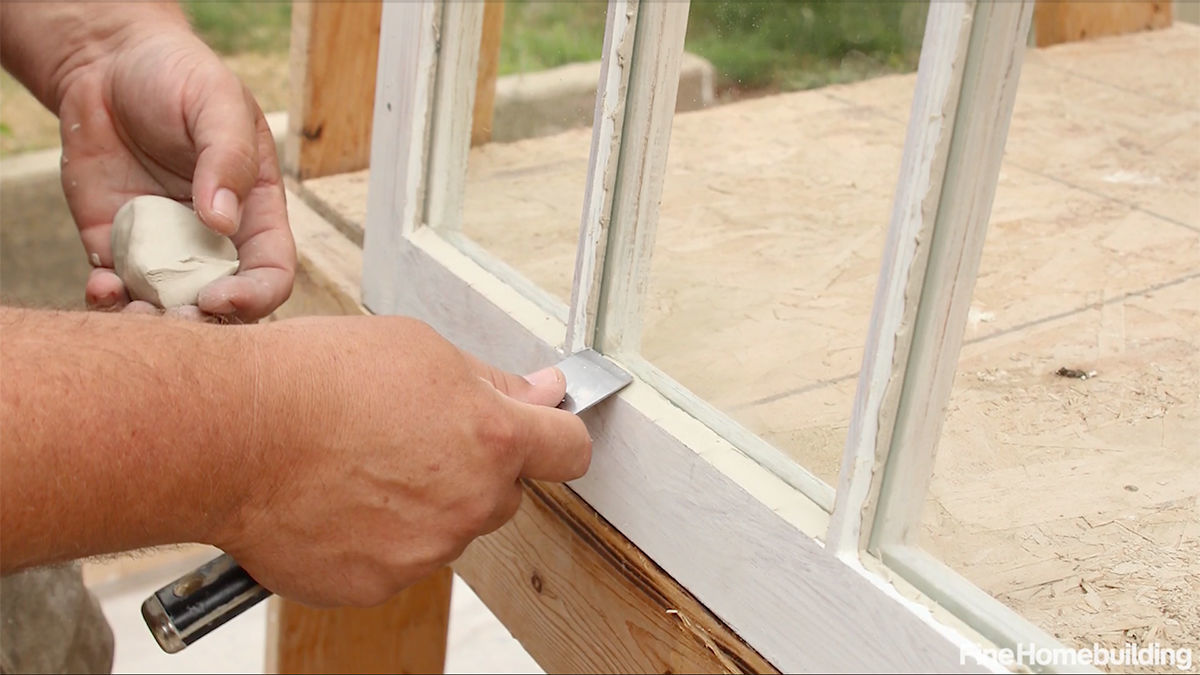
Door glazing refers to the installation of glass panels in doors, enabling for light transmission while maintaining structural stability. It can be used to numerous types of doors, consisting of entrance doors, patio doors, and internal space dividers. The choice of glazing can considerably modify the door’s aesthetic appeal and can serve multiple purposes, consisting of presence and personal privacy.
Types of Door Glazing
The following table highlights the common kinds of glazing utilized in doors in addition to their homes and common applications:
| Type of Glazing | Description | Benefits | Typical Applications |
|---|---|---|---|
| Single Glazing | A single layer of glass. | Light-weight, economical for areas with low energy effectiveness needs. | Interior doors, low-traffic locations. |
| Double Glazing | 2 panes of glass separated by an area filled with air or gas. | Improved thermal insulation, reduced sound. | Outside doors, homes in chillier climates. |
| Triple Glazing | 3 panes of glass offering exceptional insulation. | Optimum thermal performance, high sound decrease. | Incredibly cold or loud areas. |
| Laminated Glass | Two or more layers of glass bonded with a plastic interlayer. | Increased strength, safety, and UV filtration. | Entry doors, locations susceptible to effect, homes with kids. |
| Tempered Glass | Glass that has actually been heated up and cooled to increase strength. | Security, shatter resistance. | Exterior doors, moving outdoor patio doors. |
| Low-E Glass | Glass with a finishing that reflects infrared light while allowing visible light to pass. | Energy performance, decreases heat in summer season. | All kinds of glazed doors in energy-efficient homes. |
Advantages of Door Glazing
1. Aesthetic Appeal
Among the most visible benefits of door glazing is its contribution to the aesthetic appeals of a building. Glazed doors allow natural light to stream into a space, making interiors feel larger and more welcoming. This function can boost the total style, allowing homeowners to develop a more visually appealing entryway.
2. Natural Light
Doors with glazing enable ample natural light, minimizing the need for artificial lighting throughout the day. This not only creates a brighter environment but likewise promotes a connection with the outdoors, which can favorably impact state of mind and wellness.
3. Energy Efficiency
Modern door glazing solutions typically feature insulating properties that can substantially lower heat loss or gain. High-efficiency glazing alternatives reduce energy intake, permitting lower heating and cooling bills. This is particularly essential in areas with extreme climatic conditions.
4. Security
While the possibility of glazing might raise issues concerning security, developments in glass innovation have actually mitigated these threats. Laminated and tempered glass options provide enhanced security, making it challenging to break the glass without substantial effort. Furthermore, multi-point locking systems can further secure glazed doors.
5. Sound Insulation
Glazed doors provide a procedure of sound insulation, making them an excellent option for urban environments or hectic homes. Double or triple glazing can substantially minimize noise transfer, developing quieter and more peaceful areas inside.
6. Flexibility in Design
Door glazing is highly adjustable. House owners can select from a wide selection of designs, including frosted, tinted, or clear glass, to fit their specific visual preferences and practical requirements. These choices make it possible for house owners to achieve an unique style that complements their home’s architecture.
Secret Considerations for Door Glazing
When selecting glazing for doors, property owners must consider the list below elements:
- Climate: Assess the local climate to pick suitable glazing that manages insulation while preserving convenience in different seasons.
- Safety: Opt for laminated or tempered glass in high-impact areas or where security is a concern, especially in homes with kids or pets.
- Energy Efficiency Ratings: Look for glazing alternatives with high scores to ensure optimum energy performance.
- Expense: Budget will play an essential function in the option of glazing. While high-efficiency options may have a greater in advance expense, they can result in substantial cost savings gradually.
- Upkeep: Consider the long-lasting maintenance requirements of the chosen glazing. Some options, such as low-E glass, may require specific cleaning items.
Frequently Asked Questions (FAQs)
Q1: What is the distinction between single, double, and triple glazing?
A: Single glazing utilizes one pane of glass, while double and triple glazing use two and 3 panes, respectively. The latter alternatives supply improved thermal insulation and soundproofing.
Q2: Is door glazing energy-efficient?
A: Yes, modern door glazing can considerably improve energy efficiency, particularly when utilizing double or triple glazing and low-E coatings.
Q3: How do I preserve glazed doors?
A: Regular cleaning with appropriate non-abrasive cleaners and checking seals for leaks or wetness are important actions for maintenance.
Q4: Are glazed doors safe?
A: Glazed doors can be safe when utilizing tempered or laminated glass. These types of glass resist shattering and supply additional security.
Q5: Can I install double-glazed doors in an existing frame?
A: Yes, double-glazed doors can typically be retrofitted into existing frames, but it’s best to speak with a professional for compatibility and installation.
Door glazing is an effective tool in modern-day architecture and interior design, weding looks with performance. Homeowners and contractors can take advantage of the benefits of glazing by choosing the proper type that meets their requirements and preferences. Whether it is to increase natural light, improve security, or enhance energy performance, door glazing stays a compelling choice for modern living. By understanding the alternatives readily available and making informed choices, people can develop spaces that are not just visually stunning but likewise comfy and effective.