

Soffit And Cladding
Add a review FollowOverview
-
Sectors Psychological Therapies
-
Posted Jobs 0
-
Viewed 3
Company Description
You’ll Never Guess This Soffits’s Benefits
Understanding Soffits: A Comprehensive Guide
Soffits are a crucial yet typically neglected part of home building and style. Serving several functions, they are necessary to keeping a house’s aesthetic appeal and functional integrity. This article will offer an extensive exploration of soffits, including their definition, types, installation processes, benefits, and maintenance tips.
What Are Soffits?
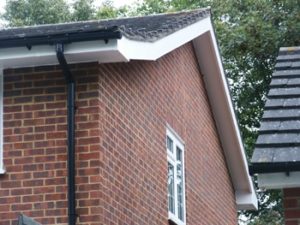
Soffits are the horizontal surface areas located under the eaves of a roof, bridging the gap in between the roofing system overhang and the outside wall of a building. They are mainly designed to hide structural components and serve a ventilation function, important for the health of a structure’s roofing system and attic.
Kinds of Soffits
Soffits can be made from various materials, each offering distinct visual and functional benefits. Below are some common types:
| Soffit Type | Material | Pros | Cons |
|---|---|---|---|
| Ventilated Soffit | Vinyl or Aluminum | Exceptional for air flow; low maintenance | May fade in time |
| Solid Soffit | Wood or Plywood | Adjustable; timeless appearance | Prone to rot if not dealt with |
| Fiberglass Soffit | Fiberglass | Resilient and resistant to moisture | Greater initial cost |
| PVC Soffit | PVC | Lightweight; resistant to decay | Restricted aesthetic choices |
Benefits of Soffits
-
Ventilation: Soffits play a crucial function in preserving air flow in the attic, preventing moisture accumulation and lowering the probability of mold and mildew.
-
Visual Appeal: They offer a finished seek to the edges of a roofing, improving the architectural design of a home.
-
Security: Soffits protect the rafters and other structural elements from weather condition direct exposure, lengthening their lifespan.
-
Bug Prevention: Proper installation of soffits can help prevent insects from nesting in the eaves and roofing system structure.
-
Energy Efficiency: Adequate ventilation facilitated by soffits can promote energy effectiveness by managing temperatures in the attic space.
Installation of Soffits
Installations require cautious preparation and execution. Here’s a detailed guide to setting up soffits:
Preparation
- Determining: Measure the length of the eaves to figure out the amount of soffit product required.
- Choosing Material: Decide on the material based on climate, visual preferences, and budget.
Installation Steps
- Eliminate Old Soffits: If changing, thoroughly remove existing soffits without damaging the surrounding structures.
- Connecting the Soffit Board: Begin by nailing the soffit boards to the rafters; start at one end and work towards the other.
- Developing Vents (if necessary): If aerated soffits are wanted, cut holes or set up prefabricated vents in the boards.
- Ending up Touches: Seal joints with caulking or finish trim to improve the visual appeal and enhance insulation.
Keeping Soffits
Correct maintenance can substantially extend the life of soffits. Routine checks and some fundamental maintenance tasks are important:
- Inspect Regularly: Check for indications of damage, such as fractures, discoloration, or drooping product.
- Clean: Remove dirt and particles to avoid mold growth. An easy option of water and mild detergent can be effective.
- Seal Gaps: Use caulk to seal any spaces that establish gradually to avoid water intrusion and pest access.
- Paint (if necessary): Wooden soffits might require to be painted or stained every couple of years for defense against the components.
Often Asked Questions (FAQs)
1. What are the signs that my soffits require repair?
Signs consist of drooping, staining, fractures, or visible mold.
2. How often should I clean my soffits?
Cleaning up is recommended at least biannually, specifically in damp environments where mold thrives.
3. Can I set up soffits myself?
Yes, as long as you have the right tools and follow the guidelines, DIY installation is practical for numerous homeowners.
4. Are ventilated soffits better than solid soffits?
Ventilated soffits are typically much better for air flow and wetness control, making them a wise option in climates vulnerable to humidity.
5. What products are best for soffits in wet environments?
Products like PVC or aluminum are more suitable in damp environments due to their resistance to wetness and decay.
Soffits are more than just a cosmetic component; they play important functions in ventilation, aesthetic appeals, and structural protection. Understanding the types, benefits, installation, and maintenance of soffits, https://code.autumnsky.jp/fascia-and-soffit-installation2049, can help house owners make informed decisions about these essential parts of their homes. By purchasing quality products and regular maintenance, property owners can boost their home’s worth and durability while delighting in the many advantages that soffits offer.