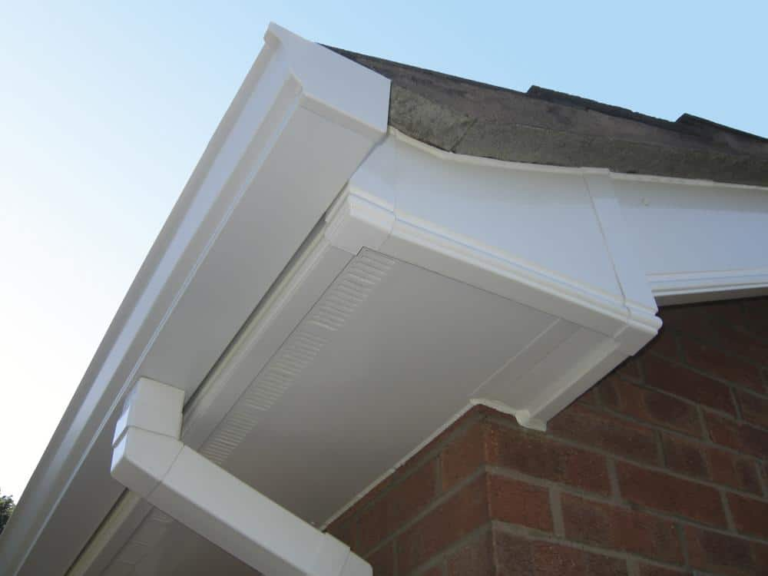
Soffit Installation
Add a review FollowOverview
-
Sectors Social Work
-
Posted Jobs 0
-
Viewed 9
Company Description
20 Fascia Replacement Websites Taking The Internet By Storm
The Best Fascia Replacement: A Comprehensive Guide
Fascia boards play an important role in the total stability and aesthetic appeal of a home. As the protective edge along the roofline, fascia assists to protect a house from weather condition components while also supporting the roofing system’s gutter system. Over time, exposure to moisture, bugs, and environmental aspects can result in use and harm, triggering the requirement for fascia replacement. This article supplies an extensive look at the best fascia replacement materials, their benefits, installation suggestions, and answers to often asked concerns.
Understanding Fascia Materials
Before diving into the best fascia replacement materials, it is important to acknowledge the main types available on the market. Each alternative has distinct characteristics, benefits, and downsides.
Common Fascia Replacement Materials
1. Wood:
- Pros: Natural look, simple to paint or stain, good insulation.
- Cons: Prone to rot, requires regular maintenance, susceptible to insects.
2. Vinyl:
- Pros: Low maintenance, rot-resistant, available in numerous colors.
- Cons: Can warp under high heat, not as durable as other products.
3. Aluminum:
- Pros: Lightweight, resistant to rust, does not warp or crack.
- Cons: Can be dented, restricted color alternatives unless painted.
4. Fiberglass:
- Pros: Durable, resistant to rot and insects, readily available in custom-made styles.
- Cons: Higher initial cost, needs professional installation.
5. Composite:
- Pros: Made from recycled products, resistant to rot, can mimic wood’s appearance.
- Cons: Often more pricey than wood, can fade over time.
Recommended Fascia Replacement Materials
The following table sums up the advised fascia replacement materials along with their essential functions:
| Material | Toughness | Maintenance | Aesthetic Appeal | Cost Range |
|---|---|---|---|---|
| Wood | Moderate | High | High | ₤ 3 – ₤ 15 per foot |
| Vinyl | Moderate | Low | Moderate | ₤ 2 – ₤ 10 per foot |
| Aluminum | High | Low | Moderate | ₤ 4 – ₤ 12 per foot |
| Fiberglass | Really High | Low | High | ₤ 8 – ₤ 20 per foot |
| Composite | High | Low | Really High | ₤ 5 – ₤ 15 per foot |
Elements to Consider When Choosing Fascia
When selecting the ideal fascia replacement material, numerous aspects must affect the decision:
- Climate: Areas with high humidity or temperature extremes may require more resilient options, such as aluminum or fiberglass.
- Budget plan: Understanding the overall cost, consisting of both materials and installation, is essential. Lower upfront expenses might include greater long-term maintenance expenses.
- Visual Preference: Homeowners should consider the architectural design of their home and select materials that boost its look.
- Maintenance Requirements: Some materials require routine painting, sealing, or repairs, while others are virtually maintenance-free.
Installation Tips for Fascia Replacement
Replacing fascia boards can be a DIY job or might need professional support, depending upon the house owner’s comfort level and capability. Here are some installation suggestions:
- Safety First: Always use safety equipment, consisting of gloves, safety glasses, and a hard hat. Use steady ladders and follow correct ladder security procedures.
- Preparation: Remove the old fascia thoroughly to prevent harmful surrounding structures. Examine for underlying damage to the roofline or rafters before setting up the new fascia.
- Measuring Accurately: Ensure that each piece of fascia is cut to the correct length. A precise fit is necessary to avoid gaps and improve the visual appeal.
- Appropriate Nailing Techniques: Use corrosion-resistant nails or screws to protect the fascia in place. Follow maker guidelines for spacing.
- Sealing: If using wood products, apply premium-quality sealant to secure against wetness infiltration.
Regularly Asked Questions
1. How typically must fascia be replaced?Fascia normally
needs to be replaced every 20 to 30 years, depending on the material used and the ecological conditions. Regular examinations can help determine problems early. 2. Can fascia replacement be a DIY
project?Yes, lots of house owners can effectively change fascia boards themselves if they have the right tools and skills. Nevertheless, complicated installations or underlying roofing system damages might require professional help. 3. Just how much does fascia replacement generally cost?The expense of fascia replacement differs substantially based upon the material picked, the size of the job, and labor costs
. House owners can anticipate to pay anywhere from ₤ 2 to ₤ 20 per linear foot for products and extra labor charges. 4. What indications show that fascia needs replacement?Common indications consist of visible rot or decay, drooping boards, insect problems, or rain gutters that are retreating from the roofline. 5. How can I prolong the life of my fascia?Regular maintenance, such as cleaning seamless gutters
, examining for damage, and using protective sealants to wood materials, can lengthen the life-span of fascia boards.

Selecting the best fascia replacement product is crucial for preserving the structure and beauty of a home. By weighing the benefits and downsides of various materials and considering factors such as climate
and maintenance requirements, homeowners can make informed choices. Whether the project is a DIY venture or requires professional help, appropriate selection and installation of fascia can boost a home’s value and curb appeal for several years to come.