

Storefront Glazing
Add a review FollowOverview
-
Sectors Nurses
-
Posted Jobs 0
-
Viewed 5
Company Description
The 10 Most Terrifying Things About Residential Glass Repair
A Comprehensive Guide to Residential Glass Repair
Residential glass repair is a crucial element of home upkeep that typically goes undetected up until a regrettable occasion occurs. Whether due to a storm, unintentional damage, or typical wear and tear, glass damage can threaten the security and aesthetics of a home. Comprehending the different types of glass, their applications, and the repair procedure is important for house owners. This article will check out the intricacies of residential glass repair, offering informative insights, FAQs, and pointers for effective glass maintenance.
Understanding Different Types of Residential Glass
Before diving into repair methods, it’s necessary to identify the types of glass utilized in homes. Various applications require various kinds of glass, and knowing the differences assists property owners make notified decisions.
| Kind of Glass | Description | Typical Applications |
|---|---|---|
| Annealed Glass | Basic float glass, known for its flat surface but can shatter quickly. | Windows, shower doors, glass tables |
| Tempered Glass | Stronger than annealed glass, goes through heat treatment to withstand effect. | Shower enclosures, glass doors, tabletops |
| Laminated Glass | Include 2 or more layers of glass with a vinyl interlayer for security. | Skylights, soundproofing, hurricane windows |
| Insulated Glass | Made up of 2 or more panes separated by a gas-filled area for much better energy effectiveness. | Double-glazed windows, energy-efficient style |
| Patterned Glass | Features an ornamental surface area, offering personal privacy while maintaining light. | Bathroom windows, ornamental pieces |
When to Repair or Replace Glass
Homeowners typically deal with the issue of whether to repair or change broken glass. Here are some scenarios where repair is possible and when replacement might be a necessity:
When to Repair
- Minor Chips or Cracks: Small chips or hairline fractures in tempered or laminated glass can frequently be fixed without the need for total replacement.
- Foggy Insulated Glass: If the seal in insulated glass stops working, causing fogging, repair might be viable if the frame is intact.
- Scuff Marks or Scratches: Surface-level scratches on glass can sometimes be polished out.
When to Replace
- Severe Cracks: Large cracks, especially those that jeopardize the structural stability of the glass, require a complete replacement.
- Broken Windows: Any shattered pieces require replacement for safety and security.
- Damaged Frames: If the frame surrounding the glass is broken or decaying, both the frame and glass may require to be replaced.
The Glass Repair Process
The glass repair procedure can vary depending on the type and extent of damage. Here’s a basic summary:
Step-by-Step Process
-
Assessment of Damage: A professional glass professional will examine the extent of the damage to determine the best course of action.
-
Preparation: Once the repair technique has actually been decided, the area will be prepared, which may include eliminating window frames or loose glass fragments.
-
Repair work: Depending on the damage, this might consist of resin injection for fractures, sealing foggy insulated glass, or total pane replacement.
-
Cleanup: After repair work are finished, the area will be cleaned up of any debris and dust.
-
Last Inspection: A comprehensive inspection will guarantee that the repair fulfills security standards and visual looks.
Significance of Professional Help
While some small repairs can be DIY tasks, working with a professional for glass repair is advised due to:
- Safety Concerns: Handling glass can be unsafe, with sharp edges positioning a risk of injury.
- Quality of Work: Professionals bring expertise and can ensure that repairs are long lasting and effective.
- Insurance coverage Claims: Professional services often provide paperwork needed for home insurance claims.
Preventive Measures for Glass Maintenance
To extend the lifespan of residential glass and avoid regular repair work, house owners can embrace numerous upkeep practices:
- Regular Cleaning: Use appropriate cleansing products to avoid scratches and preserve openness.
- Weatherproofing: Proper sealing around windows avoids wetness intrusion, which can cause fogging or mold.
- Regular Inspections: Periodically examine for small cracks or chips, attending to issues before they escalate.
- Protective Film: Consider applying a protective film or finish to avoid scratches and minimize UV exposure.
FAQs about Residential Glass Repair
What should I do if I find a fracture in my glass?
If you find a crack, it’s crucial to keep an eye on the circumstance. If it remains little and hasn’t spread, think about temporary measures like tape to prevent sharp edges, but eventually speak with a professional for repair.
Is glass repair covered by property owners’ insurance?
Many property owners’ insurance plan cover glass damage, but coverage can differ extensively. It’s best to consult with your insurance coverage representative for specific details about your policy.
For how long does the glass repair take?
The duration of glass repair can differ. Easy repairs may take a few hours, while serious damage requiring replacement might take longer, particularly if brand-new glass requires to be bought.
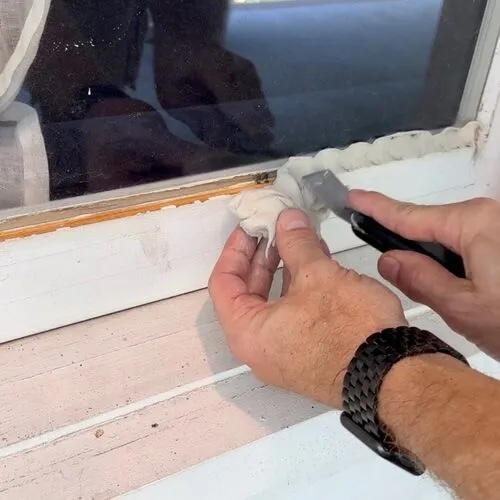
Can I repair glass myself?
While small scratches and chips can often be fixed at home, considerable damage or replacement of panes is best delegated experts to ensure security and compliance with building regulations.
Residential glass repair is an important skill that enhances a home’s safety and aesthetic appeal. Understanding the types, repair procedures, and preventive steps allows homeowners to maintain their properties effectively. Regular upkeep can decrease the need for repair work, conserving both money and time. For considerable damage, however, seeking professional aid makes sure that repairs are safe, reliable, and adhere to market standards. By cultivating a culture of glass care, house owners can delight in transparent views and protection from the elements for many years to come.