

Window Installation
Add a review FollowOverview
-
Sectors Nurses
-
Posted Jobs 0
-
Viewed 6
Company Description
10 Things That Your Family Teach You About Residential Window Installation
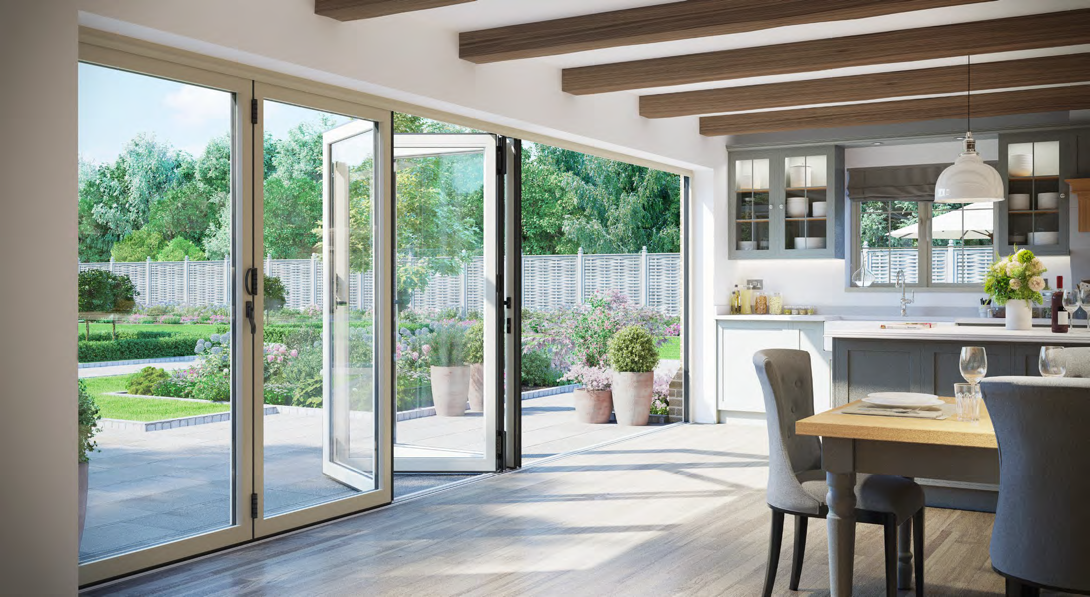
The Comprehensive Guide to Residential Window Installation
Windows are more than just openings in the walls; they play a crucial role in the looks, energy effectiveness, and convenience of a home. Whether you’re changing old windows or setting up new ones, understanding the ins and outs of residential window installation is essential for property owners. This post offers an extensive introduction, including types of windows, the installation procedure, costs, and regularly asked questions.
Types of Residential Windows
Before diving into the installation procedure, it is important to understand the kinds of windows readily available. Each type offers unique benefits, functions, and designs. Here are a couple of typical kinds of residential windows:
| Type | Description | Benefits |
|---|---|---|
| Single-Hung Windows | Features a fixed upper sash with a movable lower sash. | Affordable and simple to run. |
| Double-Hung Windows | Both sashes are operable, enabling flexibility in ventilation. | Enhanced airflow and simple cleansing options. |
| Casement Windows | Hinged at the side and opens outward, supplying excellent ventilation. | Fantastic energy efficiency and unobstructed views. |
| Moving Windows | Features 2 or more sashes that slide horizontally. | Easy to open and close, appropriate for larger spaces. |
| Awning Windows | Hinged on top and opens outside, permitting for ventilation even in rain. | Secures interior from rain while permitting air flow. |
| Bay and Bow Windows | Extends outward from the home, creating a nook and enhancing visual appeals. | Adds area, light, and visual interest. |
Comprehending these varieties will make it easier to pick windows that meet both energy efficiency and visual needs.
The Installation Process
Installing windows in a residential setting involves numerous actions. Here’s a comprehensive outline:
1. Preparation
- Step Window Openings: Accurate measurements are crucial to guarantee the new windows fit effectively.
- Choose the Right Windows: Select window types and designs that match the home’s architecture and meet efficiency needs.
2. Removal of Old Windows
- Remove Interior Trim: Gently pry off the trim around the window to expose the frame.
- Remove the Window Sashes: If suitable, eliminate the sashes by cutting away any caulking or paint seals.
- Eliminate the Frame: Cut through fasteners holding the window frame, then carefully remove the whole unit.
3. Preparation of the Opening
- Examine and Repair: Check for any damage to the surrounding wall or structure and repair as required.
- Include Insulation: Install insulation to improve energy effectiveness and decrease drafts.
4. Setting Up the New Window
- Position the Window: Place the new window into the opening, guaranteeing it is level and square.
- Secure the Window: Anchor the window in place using screws or nails.
- Examine for Proper Operation: Before sealing, evaluate the window to guarantee it opens and closes easily.
5. Sealing and Finishing
- Insulate and Fill Gaps: Use foam insulation to fill gaps in between the window frame and the wall.
- Caulk: Apply exterior caulk around the border of the window to seal versus water seepage.
- Reinstall Trim: Once whatever is protected and dry, re-install the interior trim to finish the look.
6. Last Inspection
- Make sure that all installations are practical, and carry out a final look for spaces or drafts.
Cost Considerations
The cost of residential window installation can vary widely based on a variety of factors including window type, size, labor charges, and product options. Here is a simplified breakdown of prospective expenses:
| Type of Window | Typical Cost (Including Installation) |
|---|---|
| Single-Hung | ₤ 300 – ₤ 700 |
| Double-Hung | ₤ 400 – ₤ 800 |
| Casement | ₤ 500 – ₤ 1,000 |
| Moving | ₤ 300 – ₤ 900 |
| Bay and Bow | ₤ 1,000 – ₤ 3,000 |
Aspects Affecting Costs
- Material: Vinyl windows are normally cheaper than wooden or fiberglass alternatives.
- Window Features: Custom sizes, energy-efficient glazing, and additional features will increase cost.
- Professional vs. DIY: Hiring professionals can assure quality however might add considerably to expenses.
Regularly Asked Questions (FAQs)
1. What is the very best time to install windows?
- Spring and early fall are ideal for window installation due to the fact that of moderate temperatures and lower humidity, which guarantee optimum conditions for sealing and curing materials.
2. Can I set up windows myself?
- While experienced DIY property owners can manage installation, working with a professional guarantees proper installation and service warranty defense.
3. How do I maintain my windows after installation?
- Regular check-ups, cleaning tracks, utilizing proper window cleaners, and checking for drafts can prolong the lifespan of your windows.
4. What are energy-efficient windows?
- Energy-efficient windows feature materials and innovations created to reduce heat transfer and minimize energy costs. Search For ENERGY STAR scores for guarantee.
5. How long does window installation take?
- Setting up a standard-sized window typically takes 30 minutes to an hour. Larger projects may take a full day or more, specifically for multiple windows.
Comprehending the complexities of residential window installation can help property owners make notified choices, ensuring their homes remain comfy, energy-efficient, and aesthetically appealing. Whether selecting professional services or embarking on a DIY job, proper preparation and execution will substantially improve the home’s general value and function. Picking the right kind of windows, following a systematic installation procedure, and considering long-term maintenance will lead to long lasting benefits for any property owner.